Post-Traumatic Stress Disorder
Trauma can follow you long after the event. You might get unwanted memories or nightmares, sudden waves of fear, a constant “on guard” feeling, or go numb just to get through the day. Many people avoid places or conversations that spark reminders, struggle with sleep and focus, and carry heavy feelings like guilt or shame. Relationships can suffer – finding it hard to trust, feeling distant from people you love, or getting pulled into conflict when you’re already overwhelmed.
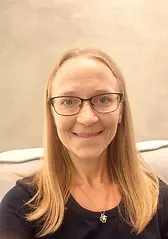
I am a qualified and accredited therapist with over 15 years’ clinical experience in NHS Talking Therapies services and private practice, specialising in high-intensity CBT and Interpersonal Psychotherapy (IPT) for trauma, PTSD and related difficulties.
With a warm, non-judgemental approach, we’ll move at your pace to rebuild a sense of safety and control. We’ll gently identify triggers, practise grounding strategies, and create clear plans for moments of stress and panic. We’ll also work together to process the traumatic event itself, so it becomes something held in your memory rather than something you continue to relive in flashbacks or nightmares. As you make sense of what happened – and how it’s affecting your life and relationships now – you can reduce the grip of the past and make more room for stability, connection and hope.
I
Is this you?
-
Intrusive memories or nightmares of traumatic events from the past
-
Feeling constantly on edge, jumpy and scanning for danger
-
Avoidance-of places, situations or people that remind you of what happened.
-
Guilt, shame, or self-blame linked to what happened or how you responded
-
Trouble sleeping due to nightmares and difficulties switching off
-
Difficulty trusting others and a loss of confidence in yourself
-
Loss of interest in things that used to bring you joy and feeling more low in mood
How I can help
-
Cognitive Behavioural Therapy is a very effective therapy for trauma-related difficulties. Together we can work on helping you process the trauma so that intrusive memories reduce and you can regain confidence in daily life.
Some strategies we might work on include:
-
Grounding and relaxation techniques : to help you manage the intense panic that often comes with the memories and reminders.
-
Identifying your triggers: and coming up with a plan to manage them
-
Talking about what happened (at your own pace) so that your brain can make sense of it
-
Improving sleep- practical steps to reduce night-time arousal and daytime crash
-
Reducing unhelpful avoidance and increasing confidence in daily activities, so that you can get back to living a meaningful life
-
Improving relationships: rebuilding trust and closeness with the people around you
-
Self-compassion: reducing unnecessary feelings of shame and guilt.
You choose the pace. You never have to retell anything in detail unless you decide it would help and you feel ready.
What to expect from sessions
-
Sessions 1–2: assessment and getting a clear picture of what has been going on for you and agreeing therapy goals
-
Online sessions (usually weekly) via Microsoft Teams
-
In between session tasks-these are agreed together-I will never force you to do something you are not ready to do.
-
Session cost £50/hour
Next steps
-
If any of this resonates, feel free to send me a message. We can then book in for an initial free, no obligation, call to talk through your needs and to see if therapy might help.